baeke.info, page 14
Token checking at the API Management layer
In the previous blog post, I talked about the OAuth client credentials flow and how to implement it with Azure Active Directory. At the end of the post, I briefly talked about the need to validate the token in either your application or an intermediary layer. In this post, we will take a look at…
Using the OAuth Client Credentials Flow
I often get questions about protecting applications like APIs using OAuth. I guess you know the drill: you have to obtain a token (typically a JWT or JSON Web Token) the client submits the token to your backend (via a Authorization HTTP header) the token needs to be verified (do you trust it?) you need…
Giving linkerd a spin
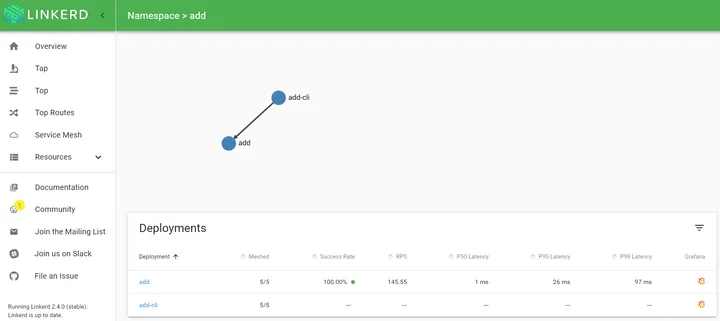
A while ago, I gave linkerd a spin. Due to vacations and a busy schedule, I was not able to write about my experience. I will briefly discuss how to setup linkerd and then deploy a sample service to illustrate what it can do out of the box. Let’s go! Wait! What is linkerd? linkerd…
Azure SQL Database High Availability
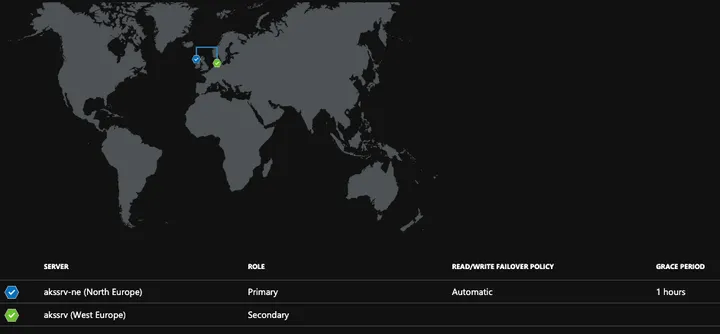
Creating a SQL Database in Azure is a simple matter: create the database and server, get your connection string and off you go! Before starting though, spend some time thinking about the level of high availability (HA) that you want: What is the required level of HA within the deployment region (e.g. West Europe)? Do…
Exposing a local endpoint to the Internet with inlets
A while ago, I learned about inlets by Alex Ellis. It allows you to expose an endpoint on your internal network via a tunnel to an exit node. To actually reach your internal website, you navigate to the public IP and port of the exit node. Something like this: Internet user –> public IP:port of…
Deploy AKS and Traefik with an Azure DevOps YAML pipeline
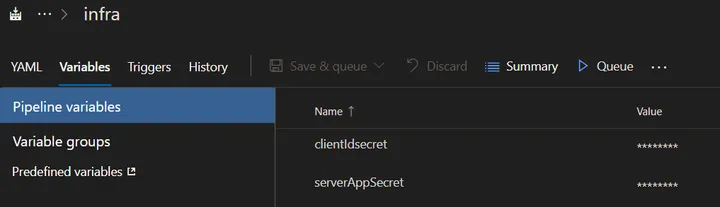
This post is a companion to the following GitHub repository: https://github.com/gbaeke/aks-traefik-azure-deploy. The repository contains ARM templates to deploy an AD integrated Kubernetes cluster and an IP address plus a Helm chart to deploy Traefik. Traefik is configured to use the deployed IP address. In addition to those files, the repository also contains the YAML pipeline,…
Quick Tip: deploying multiple Traefik ingresses
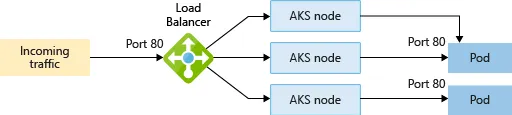
For a customer that is developing a microservices application, the proposed architecture contains two Kubernetes ingresses: internal ingress: exposed via an Azure internal load balancer, deployed in a separate subnet in the customer’s VNET; no need for SSL external ingress: exposed via an external load balancer; SSL via Let’s Encrypt The internal ingress exposes API…
Inspecting Web Application Firewall logs
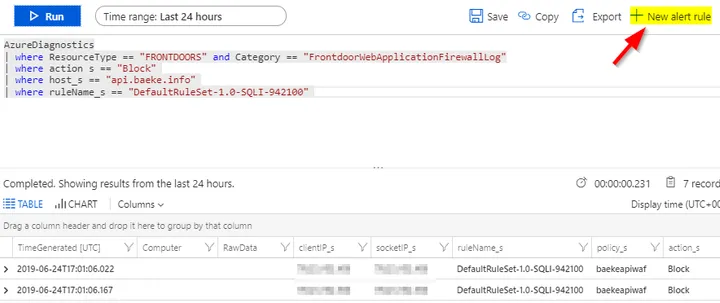
In some of my previous posts, I talked about Azure Front Door and Web Application Firewall policies to protect a workload like one or more APIs running on Kubernetes or App Service. Although I enabled the Web Application Firewall policies, I did not show what happens when the rules are triggered. Let’s take a look…
Azure Front Door and multi-region deployments
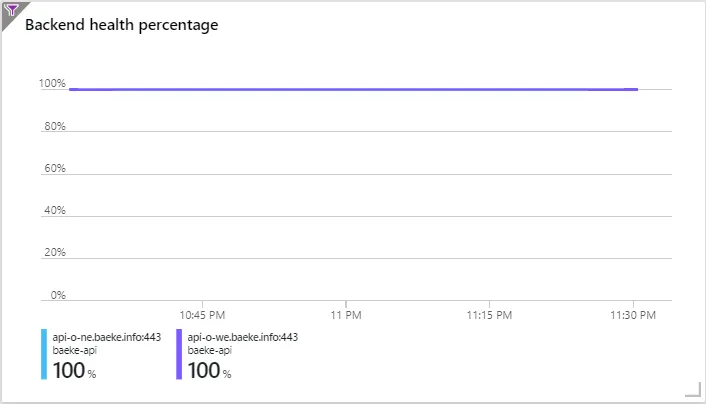
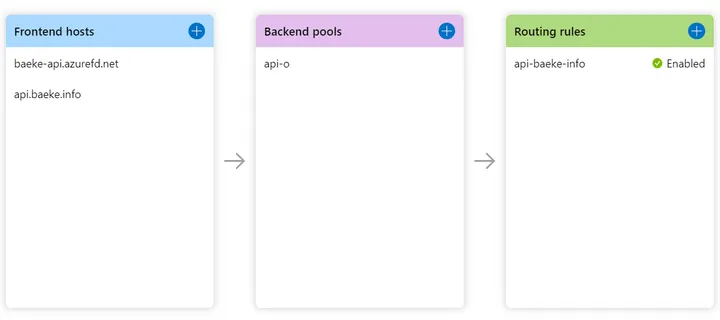
In the previous post, we looked at publishing and securing an API with Azure Front Door and Azure Web Application Firewall. The API ran on Kubernetes, exposed by Kong and Kong Ingress Controller. Kong was configured to require an API key to call the /users API, allowing us to identify the consumer of the API.…
Publishing and securing your API with Kong and Azure Front Door
In the post, Securing your API with Kong and CloudFlare, I exposed a dummy API on Kubernetes with Kong and published it securely with CloudFlare. The breadth of features and its ease of use made CloudFlare a joy to work with. It didn’t take long before I got the question: “can’t you do that with Azure…