-

Hosting an Angular app in Kubernetes
We recently had to deploy an Angular application to Kubernetes in three different environments: development, acceptance and production. The application is not accessed via the browser directly. Instead, it’s accessed via a Microsoft Office add-in. The next sections will provide you with some tips to make this work. In practice, I do not recommend hosting… Read more
-
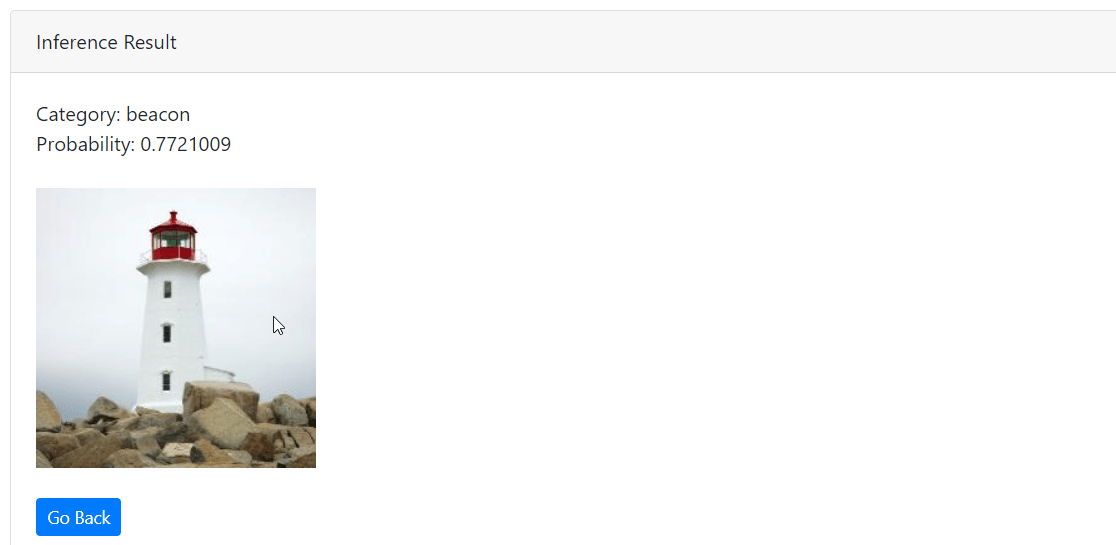
Creating and containerizing a TensorFlow Go application
In an earlier post, I discussed using a TensorFlow model from a Go application. With the TensorFlow bindings for Go, you can load a model that was exported with TensorFlow’s SavedModelBuilder module. That module saves a “snapshot” of a trained model which can be used for inference. In this post, we will actually use the… Read more
-

Using TensorFlow models in Go
Image via http://www.vpnsrus.com In earlier posts, I discussed hosting a deep learning model such as Resnet50 on Kubernetes or Azure Container Instances. The model can then be used as any API which receives input as JSON and returns a result as JSON. Naturally, you can also run the model in offline scenarios and directly from… Read more
-

AKS Managed Pod Identity and access to Azure Storage
When you need to access Azure Storage (or other Azure resources) from a container in AKS (Kubernetes on Azure), you have many options. You can put credentials in your code (nooooo!), pass credentials via environment variables, use Kubernetes secrets, obtain secrets from Key Vault and so on. Usually, the credentials are keys but you can… Read more
-

Kubernetes on DigitalOcean
Image: from DigitalOcean’s website Yesterday, I decided to try out DigitalOcean’s Kubernetes. As always with DigitalOcean, the solution is straightforward and easy to use. Similarly to Azure, their managed Kubernetes product is free. You only pay for the compute of the agent nodes, persistent block storage and load balancers. The minimum price is 10$ per… Read more
-
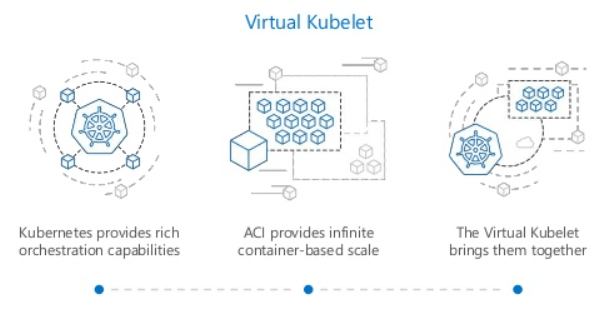
Virtual Node support in Azure Kubernetes Service (AKS)
Although I am using Kubernetes a lot, I didn’t quite get to trying the virtual nodes support. Virtual nodes is basically the implementation on AKS of the virtual kubelet project. The virtual kubelet project allows Kubernetes nodes to be backed by other services that support containers such as AWS Fargate, IoT Edge, Hyper.sh or Microsoft’s… Read more
-
Subscribe
Subscribed
Have a WordPress.com account? Log in now.

